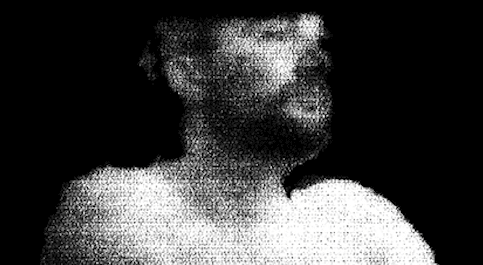
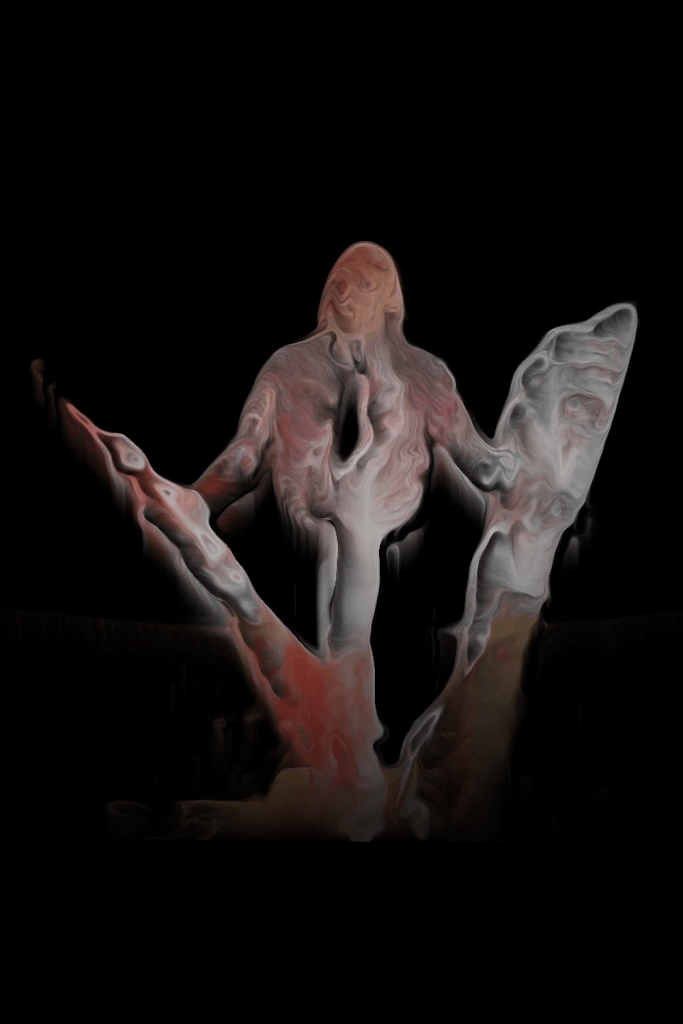
Oil Dancer
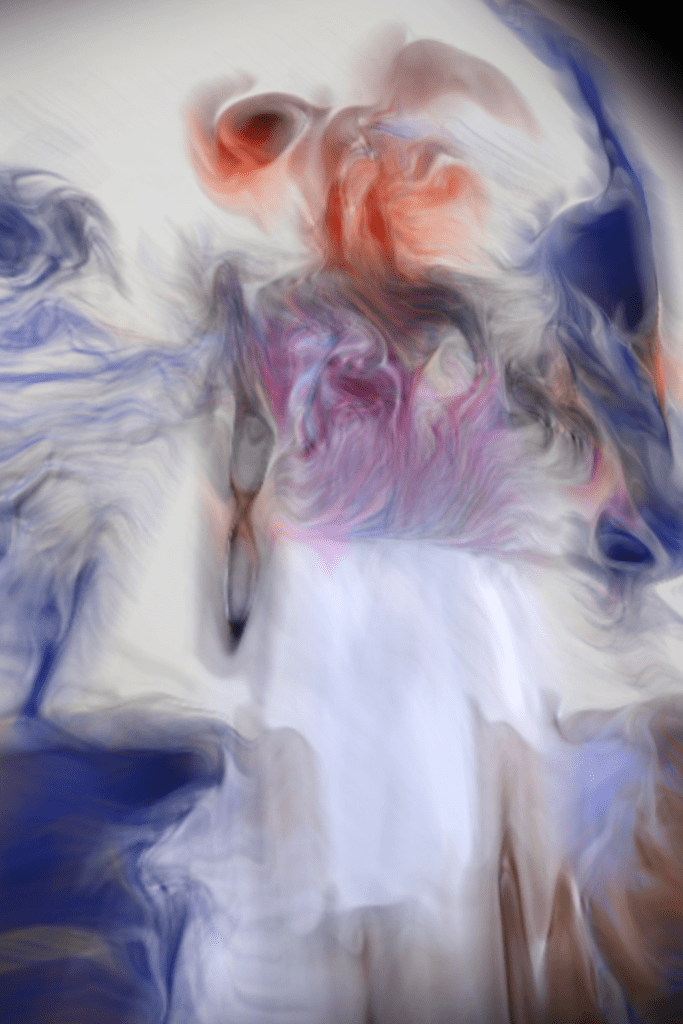
Looking back, I don’t think Oil Dancer was ever really about movement.
It was about permission.
Permission to slow down. To stop. To spend time with an image without feeling the need to understand it. Long before I could articulate those ideas, I found myself instinctively making work that resisted urgency. Looking back now, I realise I wasn’t interested in speeding video up or slowing it down for its own sake. I was searching for a way of altering our experience of time itself.
Video is usually experienced as an uninterrupted flow. Twenty-five frames every second merge together so completely that we rarely question the illusion they create. I became fascinated by what happened when that illusion was interrupted. By pulling frames apart, stretching them, repeating them and allowing different moments to overlap, movement stopped behaving like documentation and became something I could shape.
Somewhere within that process, the footage ceased to behave like footage.
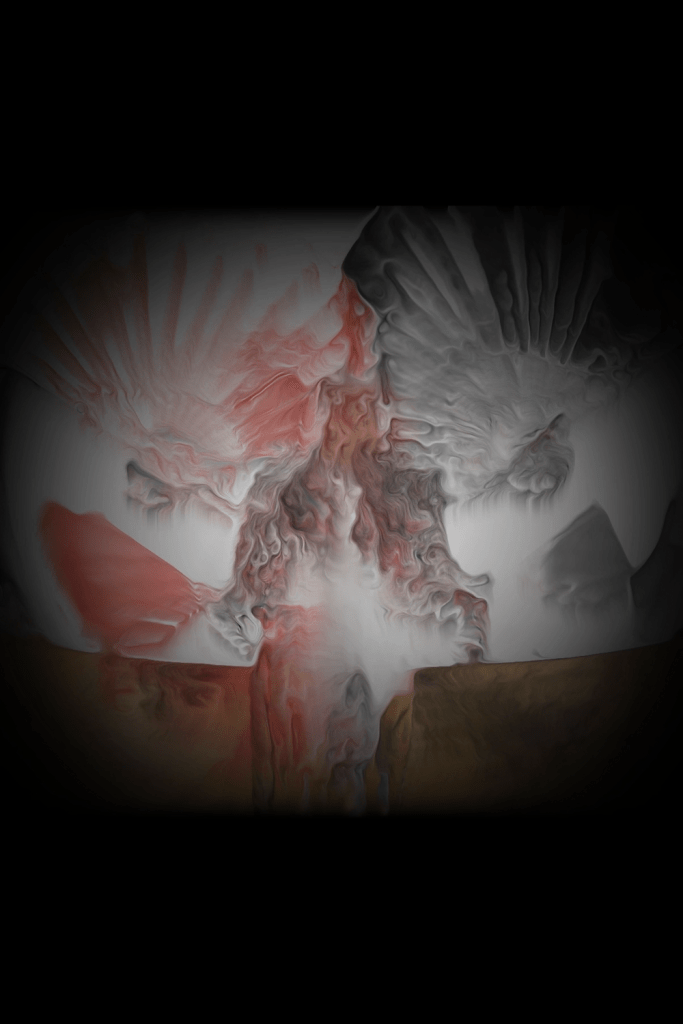
The dancer was no longer simply dancing. Their body began to exist across multiple moments simultaneously. A gesture remained visible long after it had passed. Limbs dissolved into traces of where they had been only fractions of a second before. Images emerged that had never existed in front of the camera and could never have been witnessed in real time.
What interested me wasn’t distortion.
It was possibility.
I wasn’t inventing something entirely new. I was uncovering visual outcomes that had always existed inside the recording but remained invisible until the material itself was pushed beyond its intended purpose.
Looking back, I think that discovery quietly shaped everything that followed.
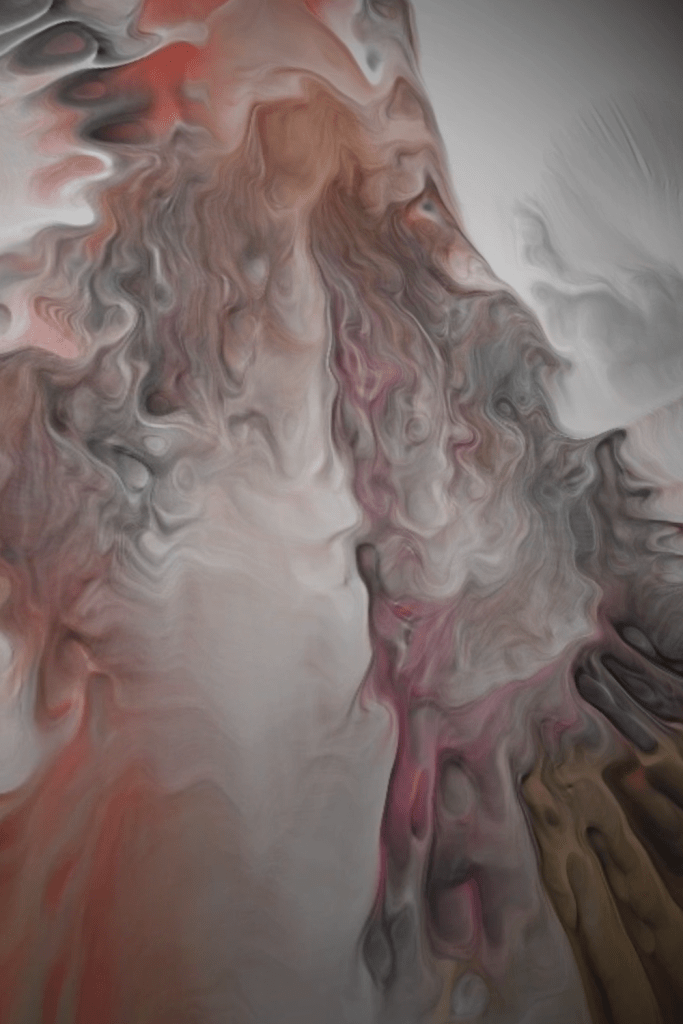
Throughout my practice, I’ve often found that when something goes wrong, something more interesting emerges. A system breaks. An image slips. An expected outcome fails to arrive. Rather than correcting those moments, I’ve learned to follow them. They have consistently led me somewhere I couldn’t have reached through intention alone.
At the time, though, I thought I was searching for my own aesthetic.
At the time, I wanted to find a visual language that felt unmistakably my own. Looking back, I no longer think that’s how an artistic voice is formed. Aesthetic isn’t something you decide upon. It slowly reveals itself through the questions you continue asking, even when you don’t yet know what those questions are.
The three-channel installation became part of that search.
Each projection occupied its own temporal rhythm, allowing different moments to coexist rather than follow one another. The work abandoned the certainty of a single timeline and instead invited relationships to emerge between images separated by time. It became less concerned with synchronisation than with coexistence, allowing viewers to experience multiple temporal realities at once.
Yet the work only became complete once people entered the space.
One visitor remained in the installation for over thirty-five minutes. Afterwards they told me they had lost all sense of time. Another described the experience as unexpectedly meditative. Those conversations stayed with me far longer than any technical achievement or aesthetic decision. There was something quietly profound about hearing that a time-based artwork had caused someone to forget time altogether.
I realised then that perhaps the work wasn’t asking people to watch more carefully.
It was inviting them to be present differently.
I thought I was experimenting with video.
In hindsight, I was beginning to experiment with perception.
The technologies have changed over the years. The materials have changed. The subjects have changed. Yet the underlying intention has remained remarkably consistent: to create temporary spaces where nothing is demanded of the viewer. Spaces where the mind is free to wander without instruction. Where beauty isn’t decorative but generous. Where an artwork doesn’t tell someone what to think or feel, but simply creates the conditions in which something personal might emerge.
I have come to believe that generosity may be one of the most overlooked qualities in contemporary art.
Not generosity of explanation, but generosity of experience.
Creating enough space for you to pause.
Enough quiet for you to notice your own thoughts.
Enough openness that the work belongs to you for a while, rather than to me.
 Tolmie MacRae - Artist